


What Is the National Dish of Armenia? A Guide to Culinary Symbols
Armenia is known for its rich culture, centuries-old history, and distinctive culinary traditions. When it comes to Armenian cuisine, it is difficult to single out just one dish and call it the main symbol of the nation. Different regions, family traditions, and historical influences have shaped a variety of dishes that are now considered part of the national heritage.
Nevertheless, many people still ask the question: what is the national dish of Armenia? Is it khorovats (barbecue), harisa, dolma, or perhaps lavash as an inseparable part of the Armenian table? In this guide, we will explore the dishes that have shaped Armenia’s culinary identity and continue to represent the country on the international gastronomic map.
If we try to identify one dish that is most often presented as Armenia’s national dish, harisa is usually the first to be mentioned. It is made from wheat and meat, slowly cooked for many hours. Harisa is more than just food; it is considered a symbol of patience, unity, and Armenian tradition.
Historically, harisa has been associated with community gatherings, festive occasions, and especially religious holidays. In many villages, it is still prepared in large pots with the participation of entire families or communities. This dish demonstrates how important unity is in Armenian culture.
However, harisa is not the only dish that can claim the status of a national symbol. Dolma, especially the version made with grape leaves, is also considered an important part of Armenian culinary identity. Nearly every Armenian family has its own unique recipe, with small variations in spices, meat, and preparation methods.
The Most Famous Symbols of Armenian Cuisine
Armenian cuisine is known for its natural ingredients, balanced flavors, and traditional cooking techniques. If the question is which dishes are most famous both in Armenia and abroad, the list is quite extensive.
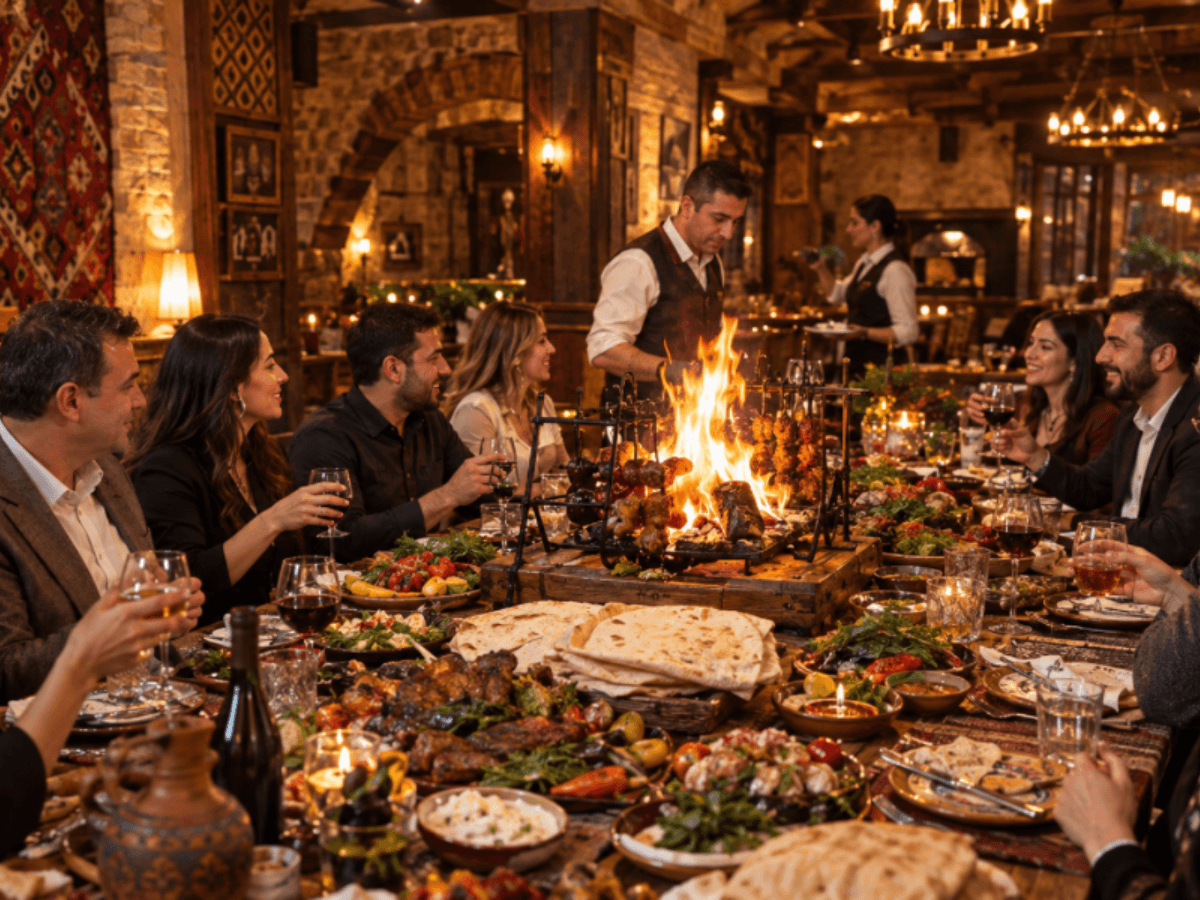
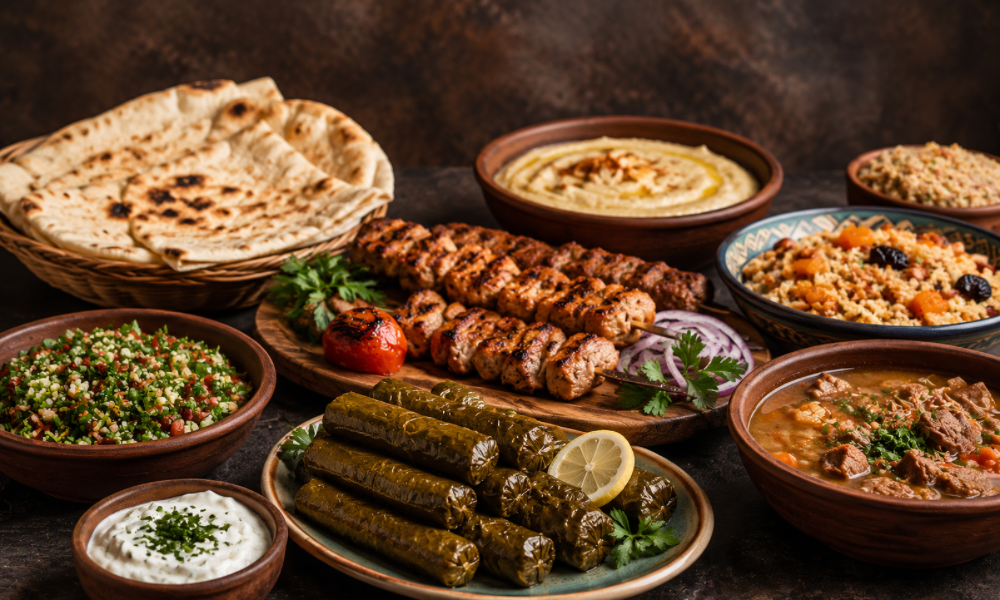
First of all, khorovats should be mentioned. Armenian barbecue stands out because of its unique meat marination methods and the culture of cooking over open fire. It plays an especially important role during family gatherings, celebrations, and summer vacations.
Another essential element is lavash. Although it is not a separate dish, lavash plays such an important role on the Armenian table that it is hard to imagine any meal without it. It is not only food but also a cultural value passed down from generation to generation.
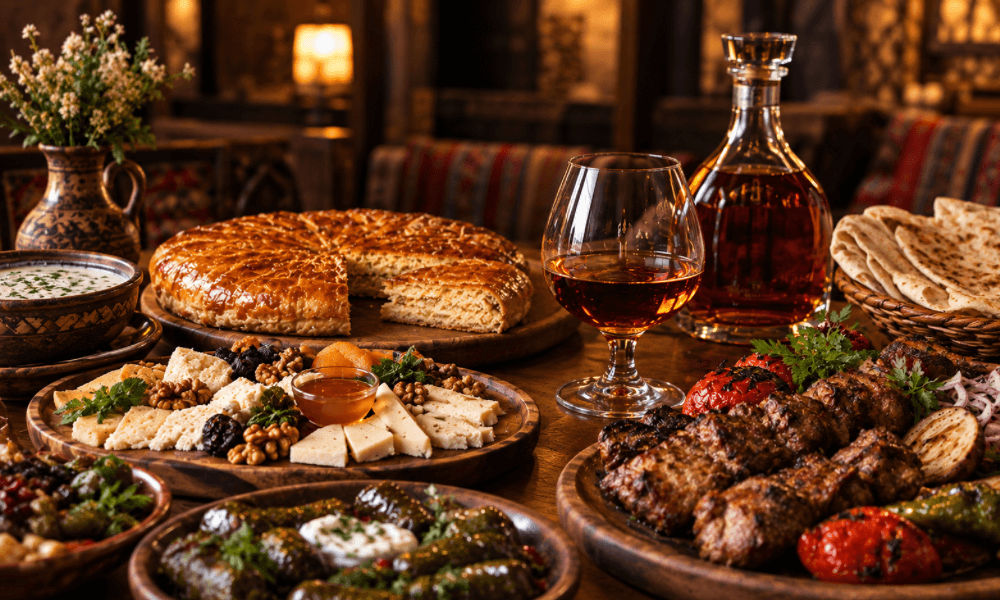
Dolma is also considered one of the most famous traditional Armenian dishes. It is prepared with grape leaves, cabbage, or vegetables. In many families, dolma is a mandatory dish on festive tables.
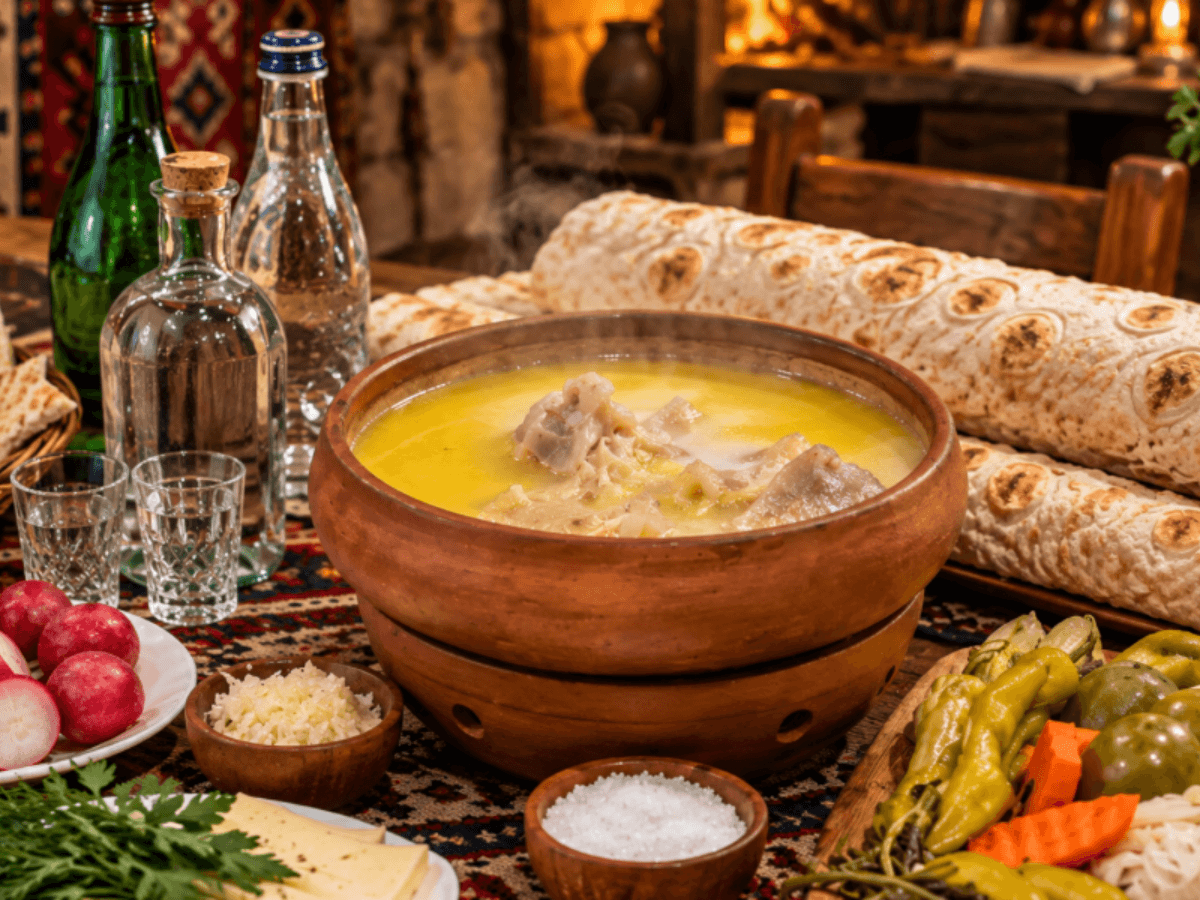
In addition, Armenian cuisine highly values dishes such as kyufta, khash, spas, and jingyalov hats. Each dish reflects the history and lifestyle of different regions of the country. For example, khash has long become not just a meal but also a unique tradition of early morning gatherings.
Traditional Armenian Dishes and Their Meaning
When speaking about traditional Armenian dishes, it is important to understand that they are not just delicious foods. They are history, family memories, and part of national identity.
For example, spas — a soup made with yogurt — is associated with childhood memories in many families. It is a simple yet nutritious dish that is especially popular during the winter months.
Harisa, as mentioned earlier, symbolizes patience and community spirit. Khorovats symbolizes time spent together, while lavash represents hospitality. One of the most important features of the Armenian table is that food is almost always connected with the idea of bringing people together.
Today, Armenian cuisine is known not only in Armenia but throughout the world. Thanks to the Armenian diaspora, Armenian dishes have spread to many countries while preserving their authentic flavors and cooking traditions. Many restaurants present Armenian cuisine as a cultural experience, not just food.
Thus, it is difficult to give a single answer to the question: what is the national dish of Armenia? For some, it is harisa; for others, dolma or khorovats. But in reality, Armenia’s true culinary symbol is its diversity. Traditional Armenian dishes together form the rich heritage that is passed down from generation to generation and continues to impress people around the world.
If you truly want to discover Armenia, start at the table, because Armenian culture is best revealed through its flavors.