


Types of Gata: From Yerevan to Gyumri
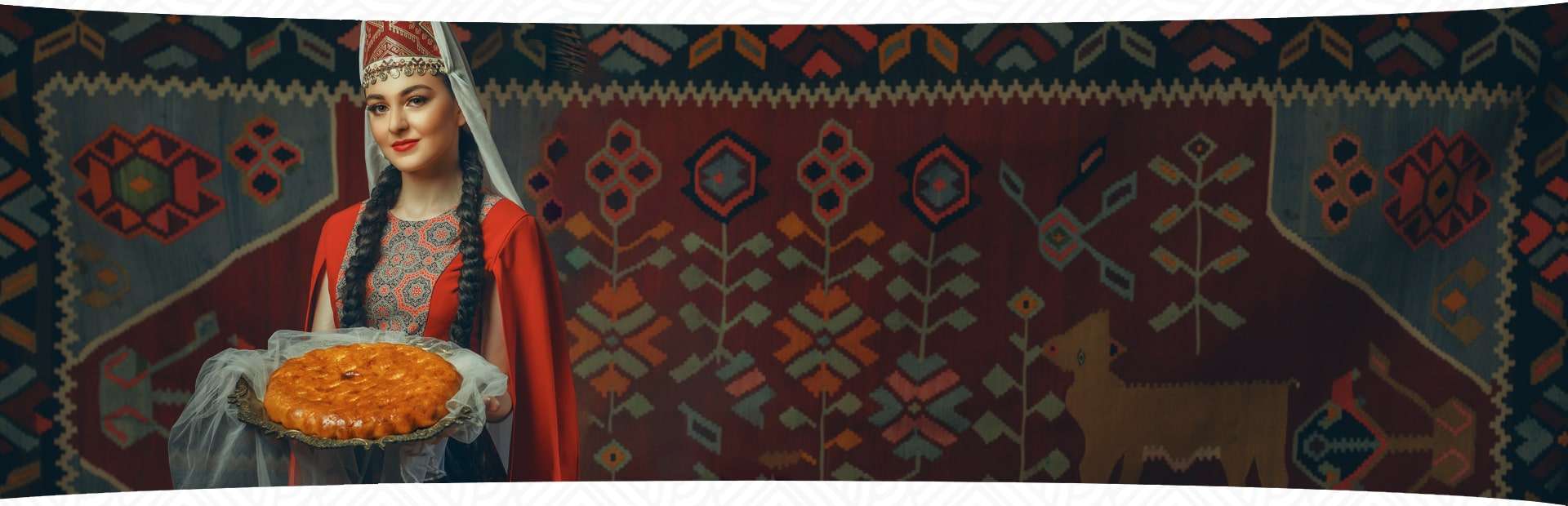
Armenian cuisine is rich in traditional sweets, but among them, gata holds a special place. This simple yet unique pastry has become one of the symbols of Armenian culture. “Armenian gata” is not only a delicious dessert, but also a symbol of family warmth, hospitality, and tradition. In different regions, it is prepared in different ways while preserving the same foundation.
The varieties of gata present a complete picture of Armenian cuisine with its diversity, history, and cultural value. From Yerevan to Gyumri and across different regions of Armenia, gata remains a beloved and important dish that brings people together.
If you want to discover Armenian cuisine, gata is the perfect place to start. It tells a story not only of flavors, but also of people, families, and traditions.
Yerevan Gata: Tradition with a Modern Touch
In Yerevan, gata has become an integral part of both traditional and modern cuisine. The classic version is made from soft, layered dough filled with a sweet filling (khoriz) made of flour, butter, and sugar. This combination creates a delicate yet rich flavor, often associated with childhood memories.
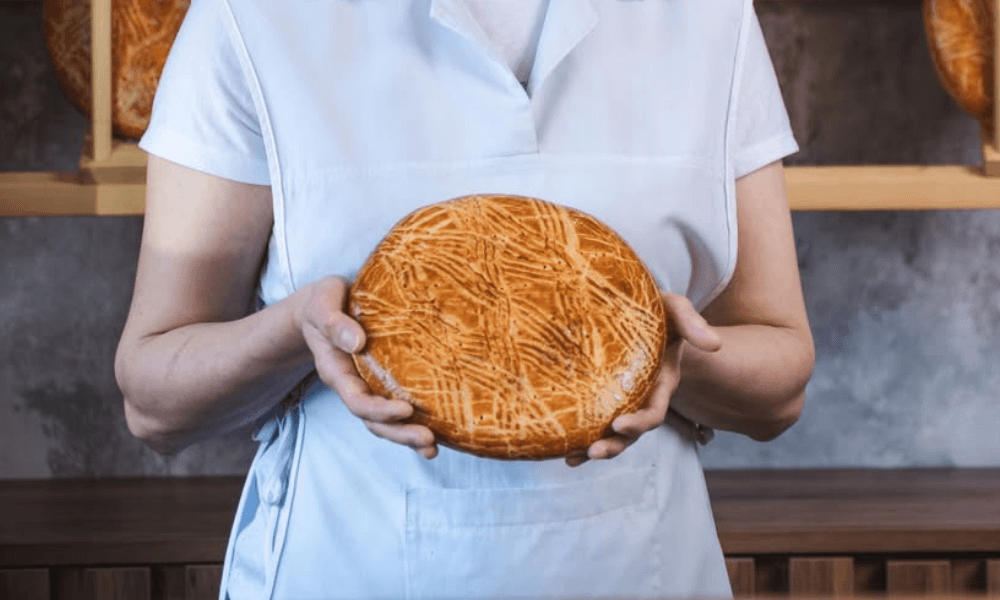
Yerevan gata is also distinguished by its appearance—it often features beautiful handcrafted patterns. These designs are not merely decorative but also reflect the individuality of the baker.
In recent years, cafes and bakeries in Yerevan have begun offering new variations of gata—with chocolate, nuts, dried fruits, and even creamy fillings. Despite these innovations, the main idea remains the same: to create a dessert that combines tradition with modern tastes.
Thus, Yerevan gata can be seen as a bridge between the past and the present—preserving the foundations of Armenian cuisine while continuing to evolve.
Gyumri Gata: Rich Flavor and Traditional Approach
Gyumri is known for its rich culture, which is also reflected in its gata. Gyumri gata is usually crispier and has a more pronounced buttery flavor. It is made in thicker layers and is often “heavier” than the Yerevan version, giving it a distinctive richness.
This gata is often baked in a large round shape and meant to be shared. It is placed at the center of the table as a dessert that brings together family members and guests.
One of the key features of Gyumri gata is its preparation method. Great attention is paid to traditional techniques, and many families still preserve their secret recipes passed down through generations.
Additionally, in Gyumri, gata is often prepared for festive occasions. It becomes not just a dish, but part of a ritual. Thus, Gyumri gata represents the strength of tradition and the importance of family values in Armenian cuisine.
Regional Gata: Diversity and Originality
In different regions of Armenia, you can find many unique types of gata that vary in both shape and taste. For example, Garni gata is known for its large size and thin yet crispy dough. It is often baked in a tonir (traditional oven), giving it a distinctive aroma and traditional flavor.
In Syunik and Artsakh, gata is sometimes made with simpler ingredients, yet its taste remains natural and rich. Here, gata is more closely connected to rural life and reflects a harmonious relationship with nature.
There are also variations that include honey, dried fruits, or spices, giving gata new flavor notes. These types are often prepared for special occasions and carry their own unique significance.
The diversity of regional gata shows that Armenian gata is a living tradition that continues to evolve while preserving its roots. Each region contributes to this delicious heritage.