


The Charm of Hot Armenian Dishes – A True Winter Salvation
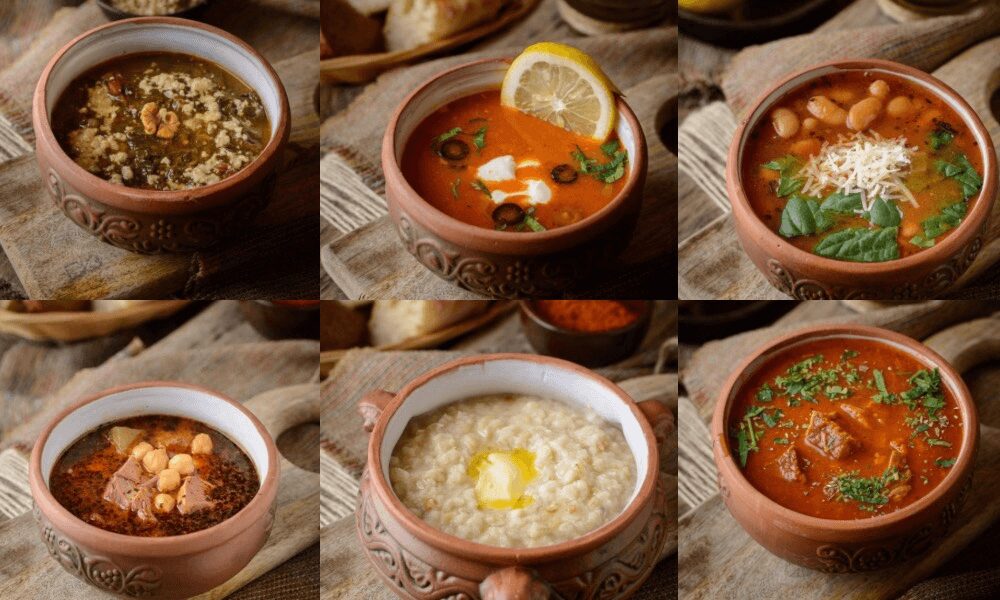
Armenian cuisine has always stood out for its hearty and warm dishes, which heat not only the table but also the soul. Our climate, mountainous regions, and seasonal characteristics have shaped a cuisine where hot and fragrant dishes have become part of national identity. The winter season in Armenian cuisine never goes by without harissa, ghapama, soups, and various hot vegetable and meat dishes prepared through slow cooking, allowing the flavors to fully unfold. These dishes are notable for their high nutritional value, warming qualities, and the ability to create a cozy family atmosphere.
Wintertime Armenian cuisine is not only about eating, but also about gathering, storytelling, and passing down memories and heritage. Soup, long-cooked meat, or boiled grains become a reason for families to sit around one table. That is where the true power of Armenian cuisine is born—it brings people together. In rural homes, the tradition still remains that a long-cooked dish becomes the “scent of the home,” and winter evenings feel incomplete without the aroma of a hot dish filling the house. That is why hot Armenian dishes are not merely food, but care served on a plate.
Gata — The Irreplaceable Warm Sweetness of Armenian Homes
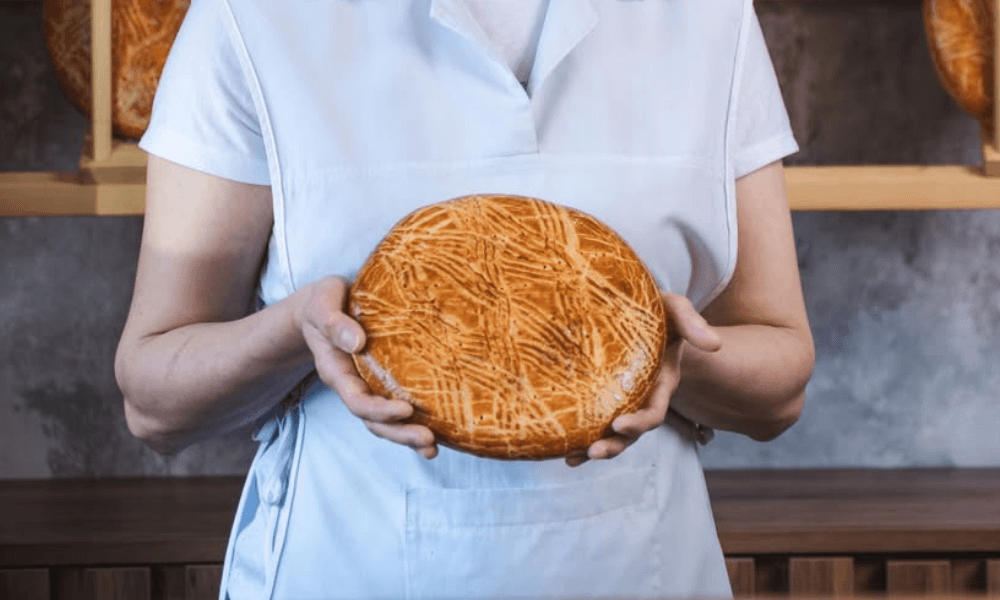
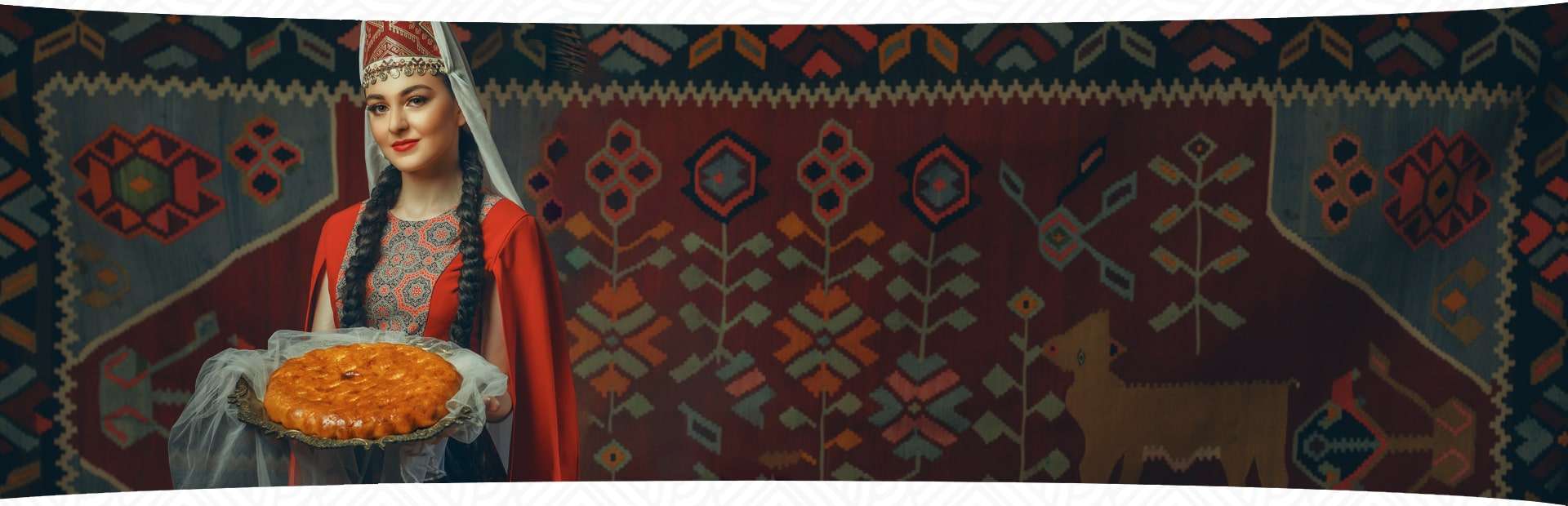
It is hard to imagine Armenian cuisine without warm and fragrant gata, which has become not just a pastry but a national tradition. Armenian gata, especially in winter, has a unique meaning—it seems to hold the warmth of the home inside it. When gata is freshly baked, every corner of the house fills with its sweet buttery aroma, a scent remembered for years as a memory of childhood or family home. Tonir gata, Shirak gata, Artsakh gata—all have their own shapes, braids, fillings, yet share the same purpose: to create an atmosphere of hospitality and kindness.
Armenian gata is also the star of the tea table. On cold winter days, in the evening, gata—warm and soft—paired with tea becomes the perfect combination of taste and comfort. In addition, gata is often used during festive ceremonies. The tradition of placing a coin inside the gata also has deep roots, where each slice becomes a symbol of luck for the year. Gata is not only a sweet treat but also a cultural and spiritual value that preserves its role in Armenian cuisine from generation to generation.
Winter Warm Menu — How Armenian Cuisine Becomes the Art of Comfort
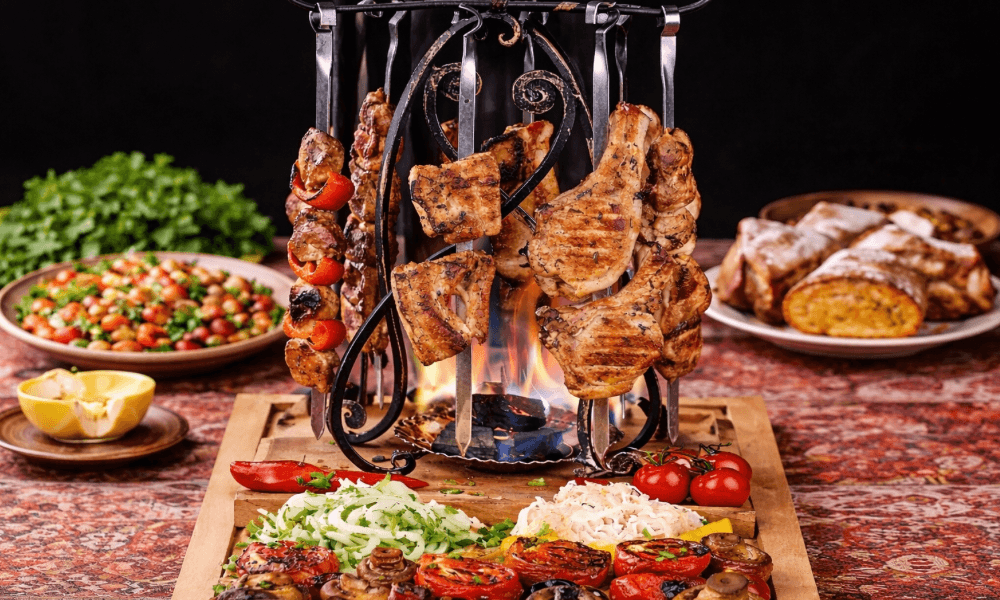
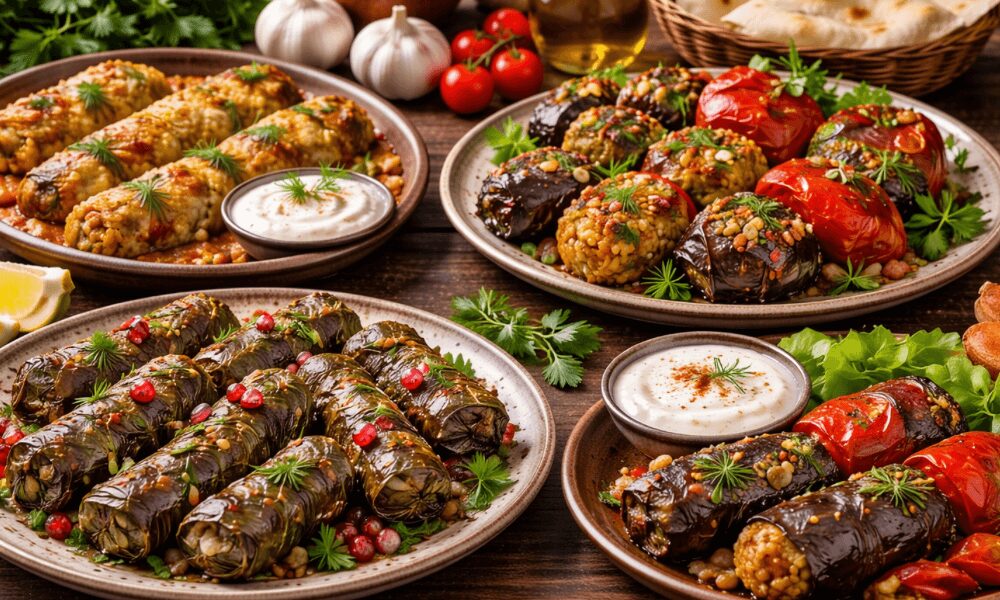
Winter may be cold outside, but Armenian cuisine makes it warm. Our national cuisine is unique because seasonal dishes are not only delicious but also symbolic. Ghapama—sweetened pumpkin with honey and dried fruits—becomes a true winter fairytale, reminding one of childhood and holiday feasts. Harissa, the dish of unity and solidarity, remains the star of winter with its soft, silky texture and warming properties. Apart from that, Armenian cold days never pass without meat barbecue, fried variations of tolma, fresh tonir bread, and natural aromatic sauces.
In Armenian cuisine, hot dishes always remain central, but in winter they turn into a whole culture. People gather in one room, wait for the dish to cook slowly, and in the meantime share stories and conversations. This is how Armenian cuisine connects generations—not only through flavor but also through warmth. And in the end—always gata. Sweet, fragrant, filled with the scent of home—Armenian gata becomes the final and most stable note of the winter menu. Thus, Armenian cuisine teaches that even on the coldest days of the year you can warm up simply by sitting at the family table and sharing a delicious homemade dish.