


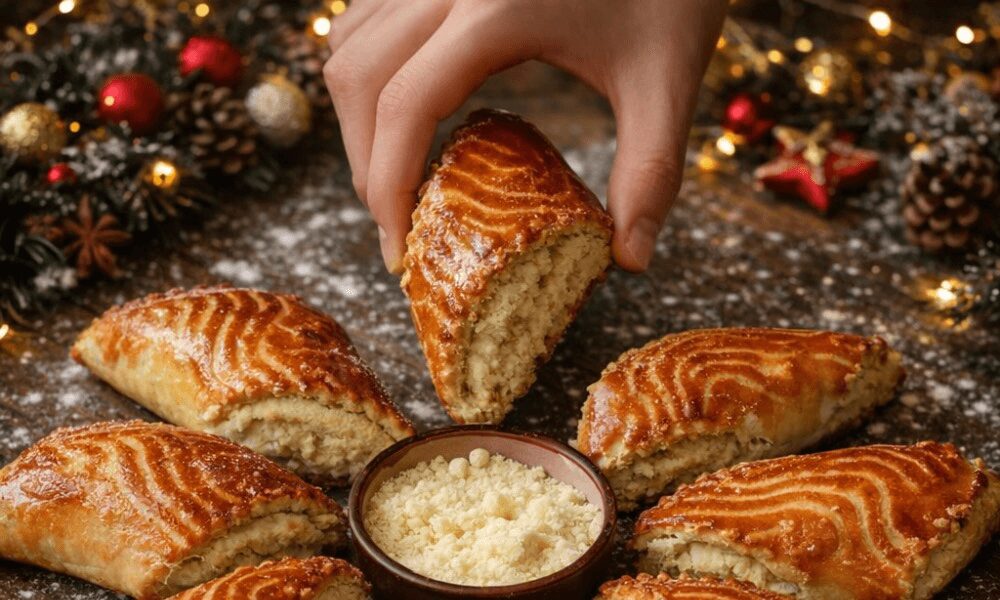
Gata — the Most Anticipated Aroma of the New Year
When the New Year approaches, the first thing that changes in Armenian homes is not the decorations, but the aroma. The scent of a warm oven, butter, and vanilla spreads through the rooms, announcing that the holiday is near. The main source of this aroma is gata — a sweet symbol of Armenian cuisine, without which it is hard to imagine a true New Year’s table. During the New Year, gata becomes not just a treat, but a feeling, a memory, and an expression of family warmth. In 2026, gata once again returns to its rightful place on festive tables as a fusion of the old and the new.
Armenian gata is unique in that it combines simplicity and luxury. At first glance, it seems to consist of just dough, butter, and a sweet filling, but in reality it carries decades of history. New Year’s gata is often baked in larger sizes and with a richer filling, so that it is not only beautiful on the table, but also symbolic. In many families, gata is placed at the center of the table as a sign of household prosperity and abundance in the coming year. That is why, for the New Year of 2026, gata is not merely a dessert, but the heart of the entire festive atmosphere.
Armenian Gata — a Tradition That Unites Generations
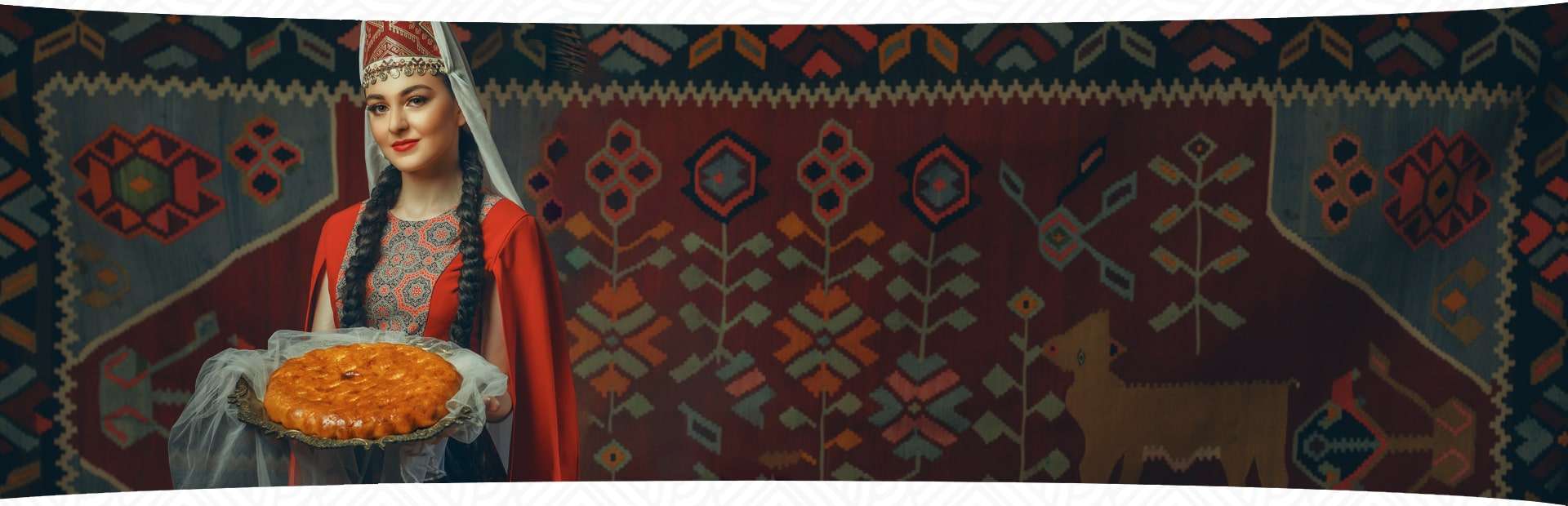
Armenian gata is a bridge between generations. While preparing it, elders share stories of how their mothers and grandmothers baked gata in traditional tonirs, while children eagerly waited for the first slice. This tradition continues today in modern kitchens, but with the same spirit. On New Year’s Eve, making gata often becomes a family ritual, where everyone has a role — one kneads the dough, another prepares the filling, and a third decorates the surface of the gata.
Special New Year’s gata often contains a small secret — a coin or token hidden inside. It is believed that whoever finds that piece will have a lucky and prosperous year. This custom gives Armenian gata not only a culinary, but also a symbolic value. On the festive table of 2026, Armenian gata becomes a bearer of hope, faith, and positive expectations. It reminds us that every year begins a new chapter, while old traditions continue to accompany us.
Gata on the Festive Table of 2026 — From Classic to Modern Approaches
On the festive table of 2026, gata remains one of the most beloved and symbolic desserts of Armenian cuisine. In modern Armenian cooking, it is no longer limited to classic recipes; chefs and home cooks boldly experiment with new approaches, creating versions of gata with different fillings, shapes, and serving styles. These changes give gata a contemporary touch without taking away its traditional essence.
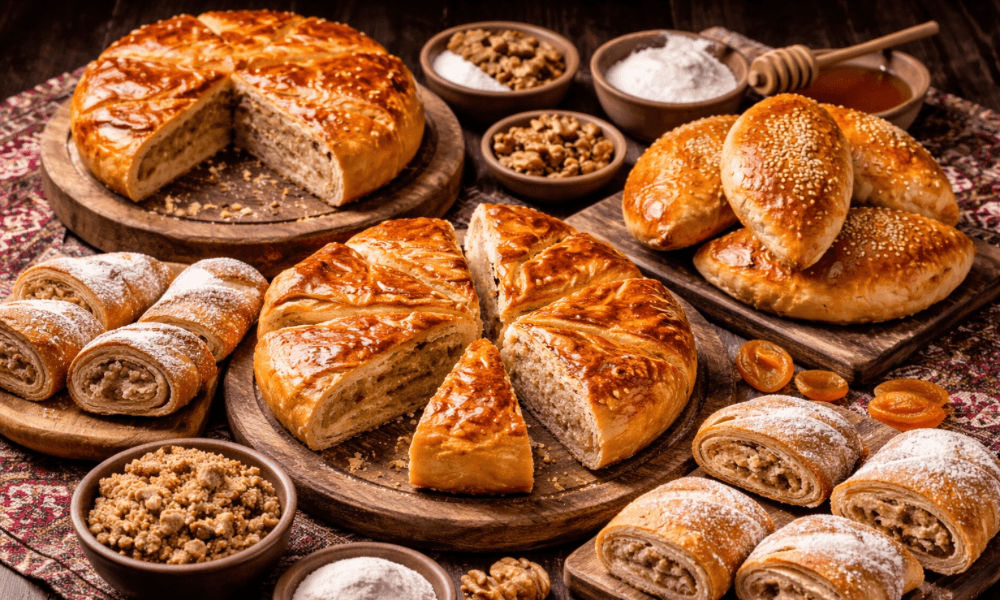
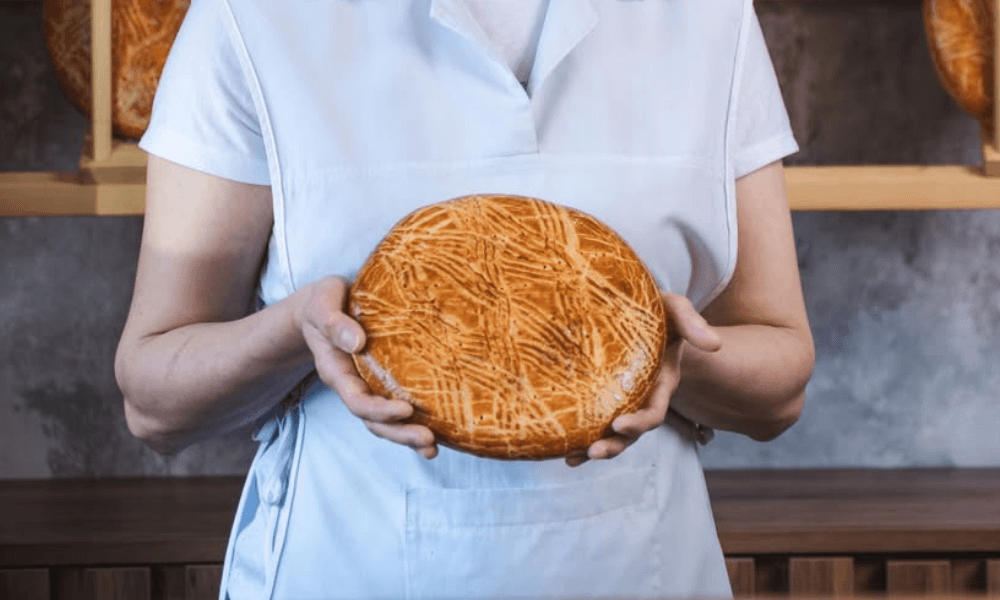
In 2026, festive tables feature both traditional gata with sugar and butter, as well as variations filled with nuts, dried fruits, chocolate, or honey. In some families, gata is prepared in small individual portions, while in others it is baked as a large, round cake decorated with beautiful patterns. This variety allows each family to choose its preferred version while preserving the Armenian flavor.
Gata is not only delicious but also visually impressive. Its golden, glossy surface, delicate patterns, and fragrant filling revealed when sliced add festive elegance to the table. It is often served with hot tea or coffee, becoming the perfect ending to a New Year’s dinner.
Gata also carries emotional value. It brings families together, recalls the gatas baked by grandmothers, memories of past holidays, and creates new ones. On the New Year’s tables of 2026, gata once again confirms its status as the queen of the festive table. Regardless of time, fashion, or culinary trends, gata remains irreplaceable, as it carries Armenian warmth, care, and tradition.