



Aveluk in Armenian Cuisine: A Continuation of Traditions
Armenian cuisine has been shaped over centuries through a close connection with nature, and aveluk is one of the brightest examples of this bond. This wild plant, which grows in the Armenian Highlands, has served not only as food but also as a means of survival. In the spring months, when stored supplies were running low, aveluk became an essential component of family meals. It was gathered in the mountains, dried, and preserved for use throughout the year.
Aveluk was especially widespread in rural communities, where people were well acquainted with nature’s gifts. Dishes prepared from dried aveluk were considered modest yet nourishing. The most famous version is aveluk soup, made with onions, oil, and sometimes walnuts. In addition to soup, aveluk is mixed with garlic, walnuts, and spices, creating a distinctive flavor combination.
In Armenian cuisine, aveluk is also an indispensable fasting dish. It is rich in nutrients and can replace animal products while providing the body with necessary strength. Today, many restaurants and taverns are reviving traditional recipes, presenting aveluk with a modern touch. All this proves that aveluk remains one of the important and beloved ingredients of Armenian cuisine.
The Benefits and Health Properties of Aveluk
The beneficial qualities of aveluk have long been recognized in folk medicine. It is rich in vitamin C, iron, potassium, and other essential micronutrients. These components help strengthen the immune system and improve the body’s overall tone. During the period of spring fatigue, dishes made with aveluk help restore energy and replenish vitamin deficiencies.
Aveluk also improves digestive function. Its natural acidity stimulates the production of gastric juices, making food easier to digest. In folk medicine, it has been used as a cleansing plant that helps remove toxins from the body.
In addition, aveluk is considered to have anti-inflammatory properties. It can be beneficial in cases of mild colds and general weakness. Many people note that a warm bowl of aveluk soup not only satisfies hunger but also warms and energizes. All of this makes aveluk not only a tasty but also a healthy choice in Armenian cuisine.
Aveluk as Culture, Memory, and Identity
Aveluk is not merely food; it is a cultural value that unites generations around the same table. For many, the taste of aveluk recalls childhood memories — a village home, grandmother’s kitchen, a wood-fired stove, and evenings spent with family. These memories shape a warm appreciation for Armenian cuisine.
The nature of the Armenian Highlands has always been central to Armenian life. The process of gathering aveluk often became a family or community activity. It was not only a way to secure food but also a unifying tradition. This harmonious relationship with nature is reflected in Armenian cuisine, which values natural and pure ingredients.
Today, as healthy living and local products are once again appreciated, aveluk is experiencing a revival. It highlights the simplicity, naturalness, and deep roots of Armenian cuisine. Aveluk reminds us that our culture and cuisine are closely connected to our land and nature. It is precisely this connection that makes Armenian cuisine unique and irreplaceable.
Aveluk in Modern Armenian Cuisine: New Approaches and Creative Combinations
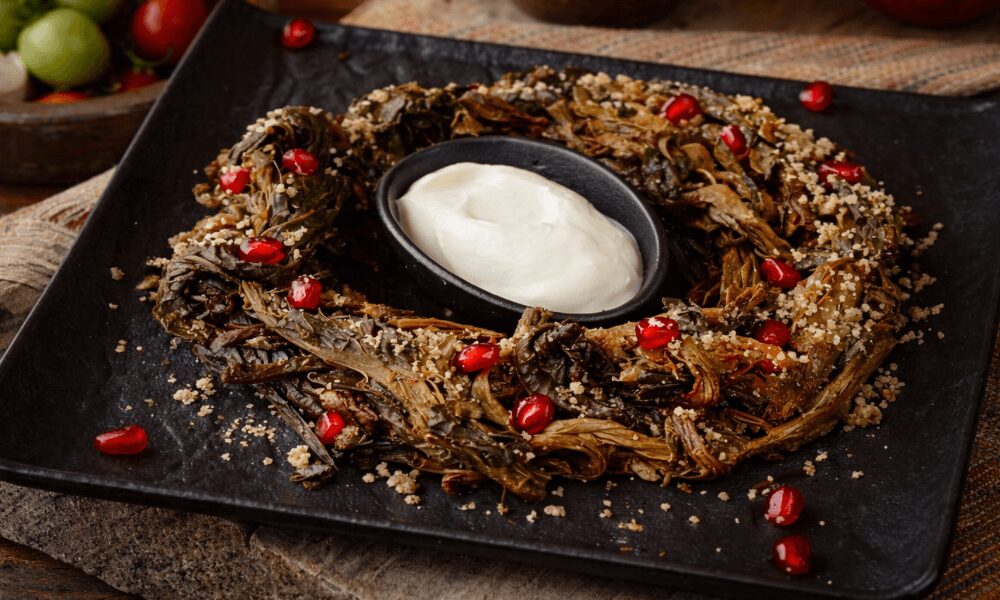
Although aveluk is considered a traditional and rural ingredient, in recent years it has gained new life in modern Armenian cuisine. Restaurant chefs reinterpret this modest wild plant, presenting it in new forms and unexpected combinations. While in the past aveluk was mainly served with sour cream, onions, and walnuts, today it can also be found in salads, warm appetizers, and even fusion-style dishes.
With a modern approach, aveluk can be paired with various cheeses — especially goat cheese or lightly salted varieties — which highlight its tangy and fresh flavor. It also pairs wonderfully with pomegranate seeds, olive oil, and a splash of lemon juice, creating a balanced and visually appealing dish. Such presentations show that Armenian cuisine can be both traditional and modern while preserving its roots.
In addition, aveluk is often used in vegetarian and healthy lifestyle dishes. Since it is rich in vitamins and minerals, it becomes an excellent choice for those who prefer healthy eating. Warm salads, purees, or pastry fillings made with aveluk demonstrate that this plant can be part not only of national but also global culinary trends.
Thus, aveluk is not only a natural treasure of the Armenian Highlands but also a symbol of the creative spirit of modern Armenian cuisine. It unites past and present, preserving tradition while opening new possibilities in the world of flavors.