


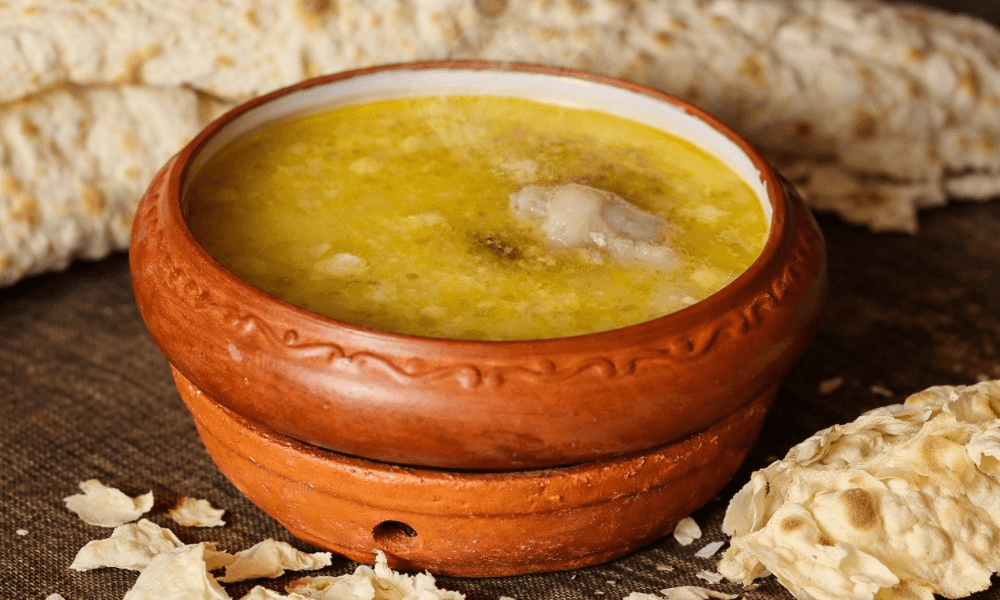
Khash Ritual: Why Morning Is the Best Time for This Dish
Armenian cuisine is rich not only in a variety of dishes but also in the unique traditions and rituals formed around them. One of the most symbolic of these dishes is khash—a meal that has long gone beyond the boundaries of ordinary food and has become a social and cultural phenomenon. Khash is not just a dish; it is an occasion for gathering, conversation, humor, and companionship, with its own special rules and timing. And according to tradition, that time is the morning.
Khash stands out in Armenian cuisine for its heavy, rich nature and long cooking process. It is prepared mainly from beef or veal legs and requires many hours of patient boiling. All this makes khash not a meal for quick eating, but one that demands time and adherence to ritual.
Morning is the best time for khash for several reasons. First, khash is a very heavy and filling dish, and after eating it, the body needs time to digest. Armenian culinary tradition holds that khash should be eaten at the start of the day so that there is enough time afterward to move around and remain active. In addition, eating khash in the morning is closely tied to its social aspect. In many cases, after khash, people go on to their daily activities or simply engage in long conversations. This creates a unique atmosphere that is difficult to reproduce at other times of the day.
The vodka or other alcoholic drinks often consumed with khash are also traditionally associated with morning hours. In Armenian cuisine, this has never been perceived as a feast or indulgence, but rather as part of a ritual that requires moderation and respect for tradition.
The Historical and Cultural Significance of Khash
Khash has a centuries-old history in Armenian cuisine. Originally, it was a dish of working people, intended for heavy physical labor. Its high caloric value and nutritional qualities made khash an energy-giving meal that works best at the beginning of the day. That is why khash has always been associated with early morning.
Clear rules have formed around khash in Armenian cuisine. It is not eaten in silence or in haste. Khash is eaten in groups—with family or friends—sitting around the table for a long time. It is a dish that forces people to slow down, communicate, and spend time together. It is no coincidence that khash is often referred to as a “ritual.”
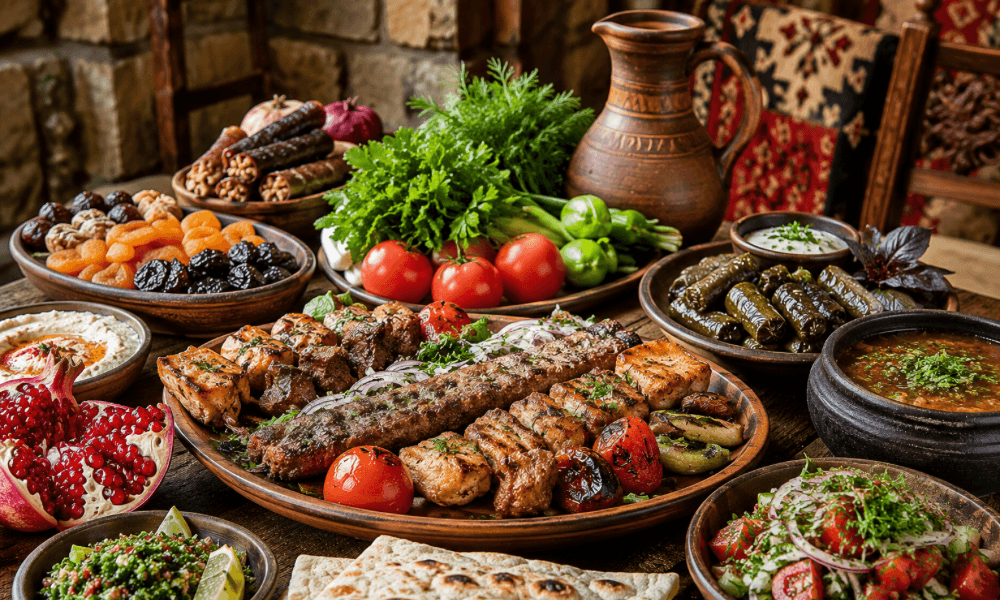
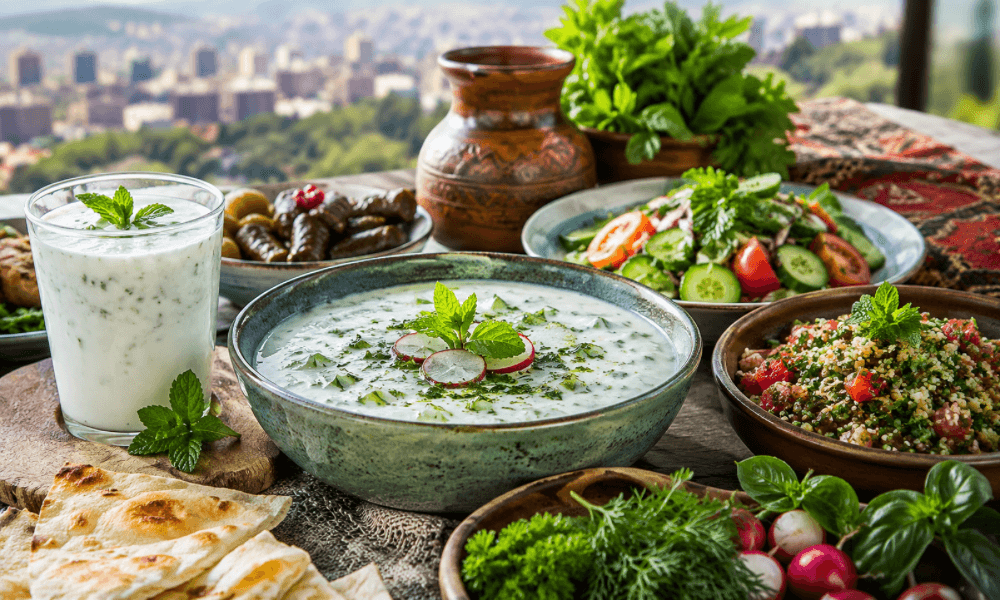
Everything begins in the early morning hours: preparing lavash, chopping garlic, arranging salt, radishes, and greens. All of this is an inseparable part of khash and plays an important role in the overall experience.
Khash as a Social Gathering
Khash has long become a social event in Armenian cuisine. Many business meetings, reconciliations, and even important decisions have been made around the khash table. This is due to the fact that eating khash implies spending a long time together, which encourages open and sincere conversations.
The khash table is always full of dialogue, jokes, and memories. It brings together people of different generations, as khash is equally loved by both elders and the younger generation. There are few dishes in Armenian cuisine that possess such unifying power.
Even today, despite the fast pace of modern life, the tradition of khash continues to be preserved. Many restaurants and taverns offer khash specifically in the morning hours, respecting the tradition and passing it on to new generations.
Khash remains a living tradition in Armenian cuisine that has not lost its significance. It reminds us that food is not only a physical necessity, but also culture, communication, and memory. Eating khash in the morning is not merely a matter of health or habit, but a sign of respect for a ritual formed over centuries. This dish teaches us to slow down, be together, and appreciate the moment. And that is why morning remains the best and most authentic time for khash—just as it has always been in Armenian cuisine.